
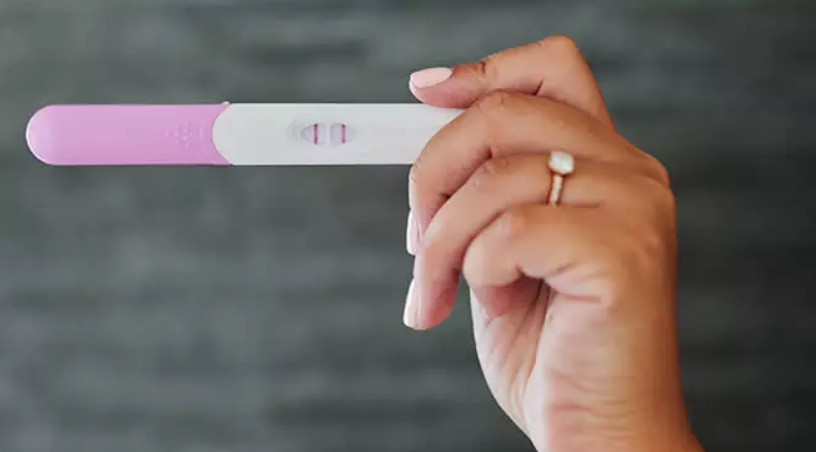
About four to six weeks after conception, the average woman doesn’t know she is pregnant. There are signs that pregnancy may begin as soon as one week after conception. These signs are often subtle and easy to miss, but if you pay attention they could indicate something is wrong with your body.
A change in your menstrual cycle is the most obvious sign that you are pregnant. You may notice a change in your menstrual cycle, such as an abrupt halt to your period or lighter than normal bleeding. Implantation bleeding can also occur, which is when fertilized eggs implant themselves in the uterine line. This can cause light spotting and bleeding at the same time as you would expect your period to start.
A common sign that you are pregnant early is a change in the shape of your breasts. You may notice a fuller feeling in your breasts and a tightening of your bra. Another sign of early pregnancy is nausea and vomiting. They can happen at any hour of the day.
Here are some signs that may indicate you could be pregnant. – Missed periods: This is the most obvious indicator you could be pregnant. Missing periods can indicate pregnancy if you are sexually active and have regular menstrual cycles.
– Nausea, vomiting and nausea: Many women suffer from nausea and vomiting during their early pregnancy. It is more common in the morning, but it can happen at any hour of the day. This is usually not as severe and disappears after the first trimester.
– Breast tenderness/sensitivity: This is another common sign of pregnancy. You may feel your breasts more substantial, heavier or more sensitive than usual. Your nipples may appear darker or more prominent than normal.
– Fatigue is another sign of early pregnancy. You may feel tired because of the higher levels hormones your body experiences during pregnancy.
Credit: www.mamanatural.com
What are the Early Pregnancy Symptoms?
When someone suspects they are pregnant, one of the most frequently asked questions is “How soon do early signs of pregnancy appear?” This answer can vary from one woman to another and even from pregnancy to pregnancy. Early pregnancy symptoms can begin up to a week after conception for some women.
Others may not notice these symptoms for several weeks. The first signs and symptoms of pregnancy are: * Nausea, with or without vomiting (“morning sick”)
* Fatigue and tiredness
How can I tell if I’m pregnant after one week?
There are some signs and symptoms that can help you determine if you are pregnant. Fatigue is one of the most common signs and symptoms of early pregnancy. Even if you get enough rest, you may feel tired more often.
Some other common signs of early pregnancy include breast tenderness, nausea (“morning sick”), increased urination, and breast tenderness. Some women experience implantation bleeding at the same time as they expect their period to begin (around 10 days after ovulation). It is not a sign of pregnancy, however, as not all women will experience implantation bleeding.
To confirm if you are pregnant or if you have any of these symptoms, you can take a home pregnancy test.
What are the Ten Signs of Pregnancy
Here are 10 signs and symptoms that can help you determine if you may be pregnant. 1. Missed periods: This is often the first sign you may be pregnant. It’s time for a pregnancy test if your period is delayed or missed.
2. Morning sickness: Although it is a well-known sign of pregnancy, not all women will experience it. It usually starts in week 6, and disappears by week 12, or 13. 3. Changes in the breasts are another sign that you may be pregnant.
As your body prepares to nurse a baby, they may feel tingly or more extensive. 4. Fatigue: This is another sign that you may experience during pregnancy. It can be caused by hormonal changes. You might find yourself falling asleep earlier at night or taking fewer naps than usual.
5 Frequent urination – Your uterus will expand and put pressure on your bladder. You may have to urinate more frequently during pregnancy, especially in the second and third trimesters, when your force is at its highest.
Mumsnet
Early Signs of Pregnancy: 1 Week
You may be wondering what the first signs of pregnancy are if you are trying to get pregnant. Here are the first signs of pregnancy one week after conception. Implantation bleeding: The embryo is implanted into your uterine tissue about a week after fertilization.
This can lead to light spotting and bleeding, which is usually pink or brown. Increased frequency of urination: This could mean that you may have to use the bathroom more often than usual. This is due to hormone changes and should resolve within a few weeks.
Early pregnancy can cause fatigue. This is due to hormonal changes in your body and the fact that you are working overtime to support your growing embryo. Breast tenderness: As your breasts prepare to produce milk, you may feel a little more sensitive or sore. This can occur as soon as one week after conception.
Conclusion
You may be wondering what signs and symptoms to look out for if you suspect you are pregnant. These are early signs and symptoms of pregnancy that could occur before you miss your period. 1. Fatigue is one of the first signs of pregnancy.
Your body is working overtime to support your baby’s growth. This causes fatigue. It is possible to fall asleep earlier at night or take fewer naps than usual. 2. Breast tenderness: This is a sign that you are pregnant.
It can be mild to severe and may cause soreness or pain. A supportive bra can help with discomfort. 3 More frequent urination: Your bladder becomes more compressed as your uterus expands.
Sometimes, you may wake up multiple times a night to use the bathroom. 4 Nausea, vomiting and nausea: Commonly referred to as “morning sick”, nausea and vomiting can occur at any hour of the day or night. This feeling can start around week 6, for some women. For others, it starts closer to week 9 or 10.
These symptoms will usually disappear by week 12-14, as your body adjusts. 5 Bloating: This “I’m so bloated!” feeling in early pregnancy is due to hormonal changes and fluid retention. ).