Snacks aren’t the problem. Unplanned ones usually are, and a little structure makes them work for you.
Key ideas
- Snacks that combine protein and fiber tend to keep you fuller than sugary or salty packaged ones.
- On a Nutrition Facts label, 5% Daily Value or less is low and 20% or more is high.
- Put snacks on a plate or in a bowl instead of eating straight from the package.
- Check whether you’re hungry or just bored, tired or stressed before you reach for a snack.
Snacks can be a useful part of eating well. They take the edge off hunger between meals and are an easy way to add fruit, vegetables, nuts or dairy to your day. Problems tend to come from snacks that are unplanned, eaten straight from the package or chosen mainly because they were nearby.
What makes a satisfying snack
Snacks that include some protein or fiber tend to be more filling than ones made mostly of refined starch or sugar. Pairing a fruit or vegetable with a protein food is a simple formula.
| Pair this | With this |
|---|---|
| An apple or pear | A tablespoon of peanut butter |
| Carrot or pepper sticks | Hummus |
| Plain yogurt | Berries |
| Whole-grain crackers | A slice of cheese |
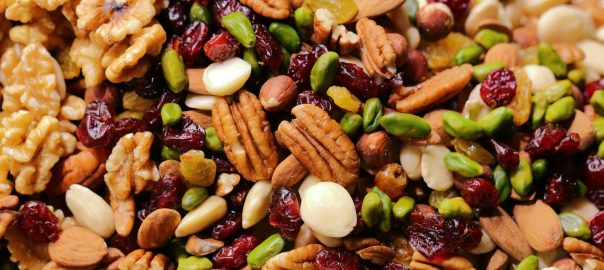
| A piece of fruit | A small handful of unsalted nuts |
| A hard-boiled egg | Cherry tomatoes |
Reading the label quickly
For packaged snacks, the Nutrition Facts label helps you compare options. The FDA’s rule of thumb is that 5% Daily Value or less of a nutrient per serving is low and 20% or more is high. Look for snacks lower in added sugars, sodium and saturated fat, and higher in fiber.
Small step
Check the serving size first. A bag that looks like one serving may contain two or more, which doubles everything on the label.
Habits that help
- Plan ahead. Pack a snack for work or errands so you’re not relying on vending machines or drive-throughs.
- Use a plate. Eating from a bowl or plate makes it easier to notice how much you’ve had.
- Keep good options visible. A fruit bowl on the counter is more tempting than fruit hidden in a drawer.
- Pause and check. Before you snack, ask whether you’re hungry, or bored, tired or stressed. If it’s one of the last three, a short walk, a glass of water or a break may help more.
Snacks and drinks
Sugary drinks are an easy source of extra sugar between meals. Our guide to swapping sugary drinks has simple alternatives, and slowing down when you eat, covered in our mindful eating guide, works for snacks too.
A note on health
If you have diabetes or another condition that affects what and when you eat, ask your doctor or a registered dietitian which snacks suit you best.
Keep it simple
Choose two or three go-to snacks you enjoy, keep them stocked and rotate them through the week. A routine you don’t have to think about is easier to stick with than a long list of rules.
Still wondering?
Is it better to snack or stick to three meals?
Either can work. The overall quality and amount of what you eat across the day matters more. Some people find a planned snack stops them from getting overly hungry before meals.
Are protein bars a good snack?
Some are, but many contain a lot of added sugar. Check the label, or choose whole foods such as yogurt, eggs or nuts.
How big should a snack be?
It depends on your needs, but most snacks are small: a piece of fruit with a small handful of nuts, rather than a second meal.
This article is general information about everyday health habits, not medical advice. If you have a health condition, are pregnant or take regular medication, talk to your doctor or another qualified health professional before making big changes to your diet, activity or sleep. Figures come from US public health sources such as the CDC, HHS and the Dietary Guidelines for Americans.